In a 𝓈𝒽𝓸𝒸𝓀𝒾𝓃𝑔 revelation, WWE legends including Bret Hart, The Undertaker, and Ric Flair have openly criticized modern wrestling, expressing deep concerns over the loss of kayfabe and fundamental storytelling. Their candid remarks highlight a growing disconnect between today’s wrestling style and the core principles that defined the sport’s golden eras.
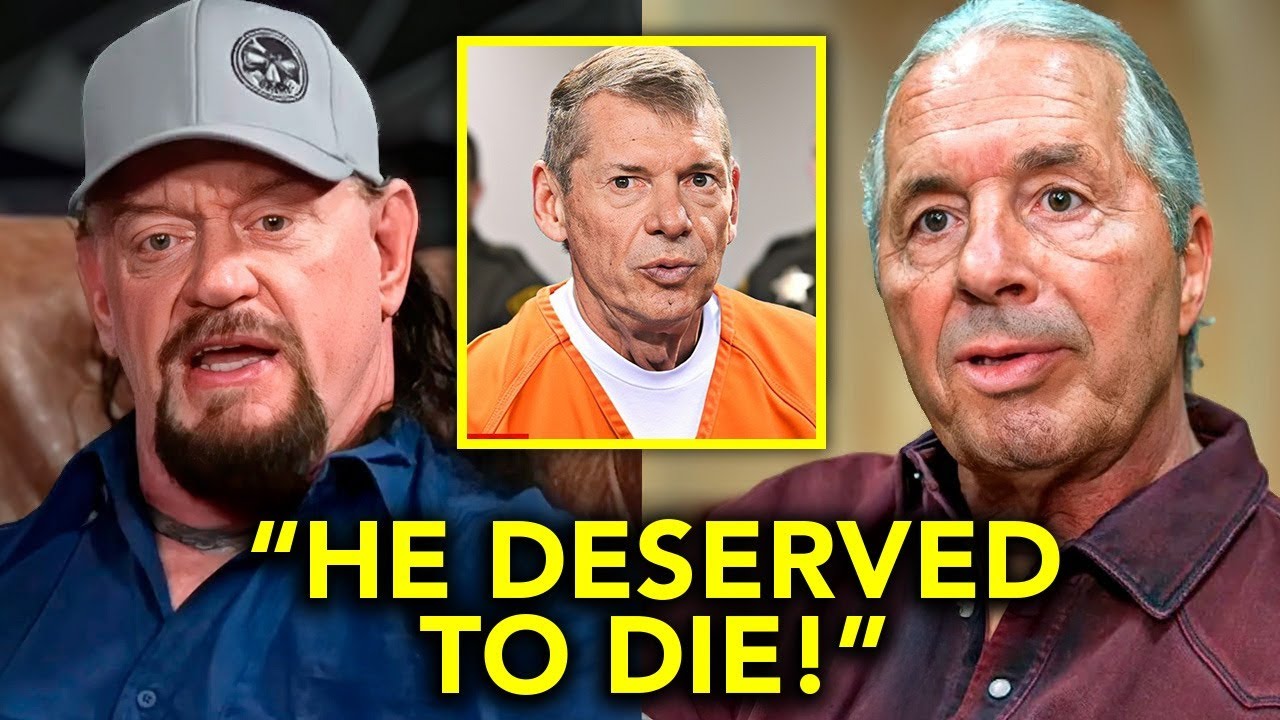 Bret Hart took center stage, labeling modern wrestling as “pathetic” and accusing today’s stars of lacking the authenticity that once captivated audiences. Hart’s disdain for leg slapping and over-rehearsed sequences reflects a broader sentiment among legends who believe wrestling has devolved into mere spectacle devoid of real emotion.
The Undertaker echoed these sentiments, lamenting the death of kayfabe and the over-reliance on athleticism. He warned that this trend could lead to burnout and injuries among young wrestlers, urging a return to storytelling over high-flying maneuvers that lack 𝓈𝓊𝒷𝓈𝓉𝒶𝓃𝒸𝑒. His concerns resonate deeply, given his own legacy built on character and narrative.

Ric Flair, wrestling’s “Nature Boy,” criticized social media’s impact on the industry, claiming it creates entitlement among younger wrestlers who prioritize fan opinions over veteran guidance. Flair’s frustration with rehearsed matches and a lack of spontaneity underscores his belief that the essence of wrestling is being sacrificed for corporate interests.

Jake Roberts and Kevin Nash joined the chorus of criticism, with Roberts lamenting the loss of psychological depth in matches and Nash pointing to the rapid pace that fails to engage fans. Both legends believe the art of wrestling is being overshadowed by flashy moves that lack storytelling, risking the sport’s long-term viability.

Goldberg and Stone Cold Steve Austin also weighed in, with Goldberg calling modern wrestling “soft” and Austin voicing concerns over the eroding mystique of kayfabe. Their critiques emphasize a yearning for the intensity and simplicity that once defined wrestling’s appeal, as they fear the industry’s current trajectory could alienate fans.
As these legendary figures voice their frustrations, the wrestling community is left grappling with a pivotal moment. Their collective outcry serves as a clarion call for a return to wrestling’s roots, urging a revival of storytelling, character development, and the art of performance that once enthralled millions. The question remains: will the industry heed their warnings, or continue down a path of superficiality?