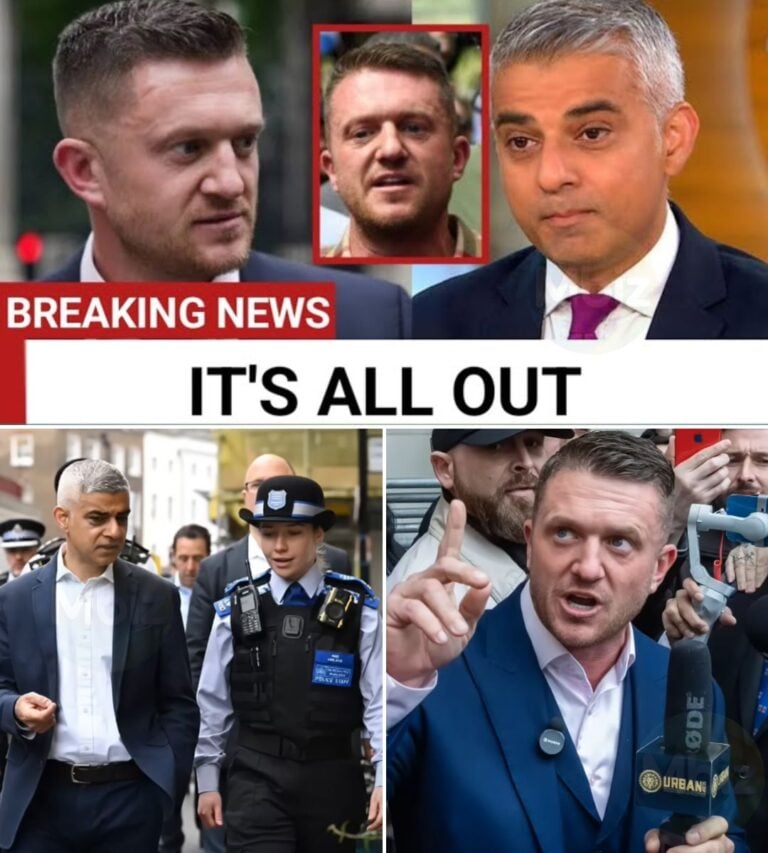
In a 𝓈𝒽𝓸𝒸𝓀𝒾𝓃𝑔 public confrontation, Tommy Robinson challenged London Mayor Sadiq Khan at a rally, igniting a firestorm of political discourse across the UK. Nigel Farage quickly responded, emphasizing the growing discontent among Londoners, as social media erupted with reactions, sparking a fierce debate over the state of British politics.
 At a heated event in East London, Tommy Robinson, notorious for his controversial views, took the stage unannounced. Armed with notes and footage, he accused Khan of ignoring rising crime rates and gang violence, claiming that the mayor’s policies have eroded British values. The crowd, a mix of supporters and opponents, reacted with audible gasps, claps, and boos, captivated by the unexpected confrontation.
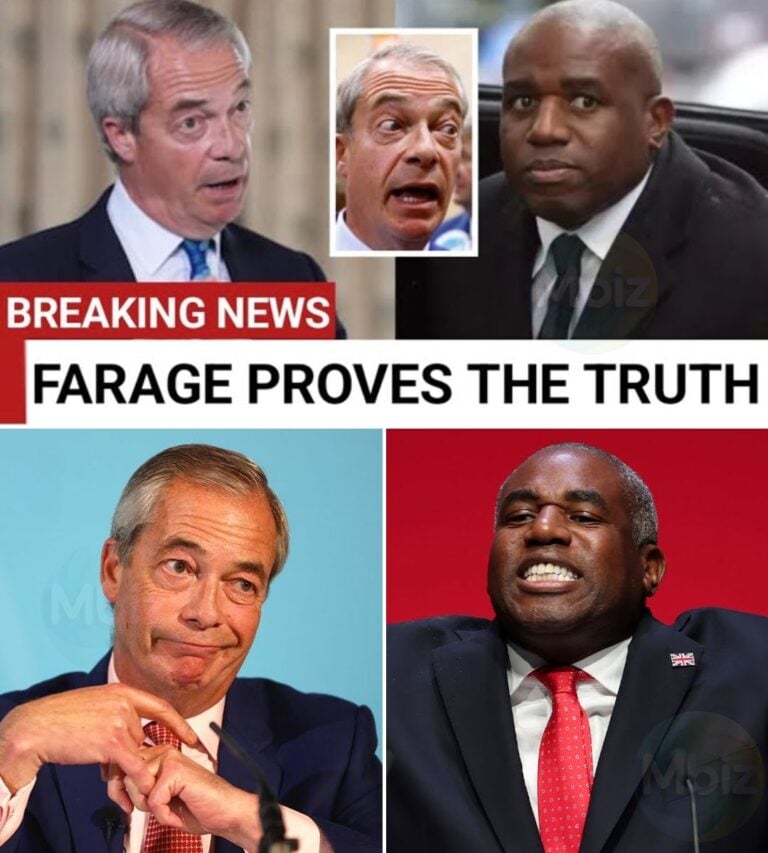
Within hours, Nigel Farage, former leader of the Brexit Party, addressed the incident on his GB News segment. His statement was a calculated response, acknowledging the unrest in London without fully endorsing Robinson’s rhetoric. Farage asserted, “People feel unheard,” warning that dismissing these concerns could lead to more radical voices filling the political void.
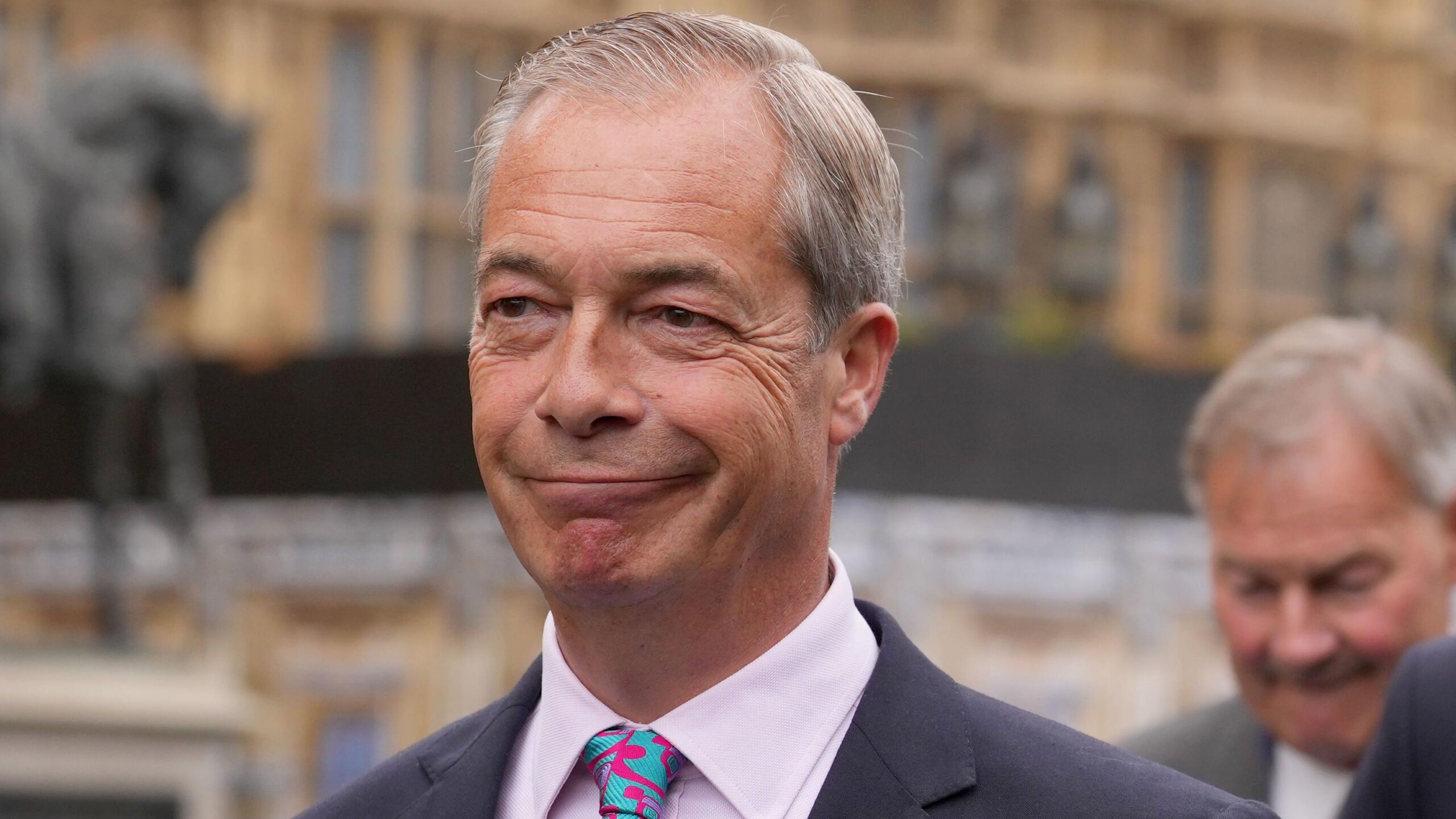
Social media lit up following Farage’s comments, with hashtags like #confronted and #Londonvoices trending rapidly. A tweet highlighting Farage’s perspective garnered over 60,000 likes, emphasizing the urgency for politicians to listen to the public’s frustrations. However, not all responses were supportive; critics voiced concerns about legitimizing Robinson’s platform.
Political analysts debated the implications of the confrontation on Sky News, questioning whether it was a mere media stunt or a genuine reflection of public sentiment. Whispers within the Conservative party hinted at deeper concerns, suggesting that both major parties might be losing touch with an increasingly restless electorate.

This incident is more than just a 𝓿𝒾𝓇𝒶𝓁 moment; it taps into a broader sense of disillusionment among many Brits, particularly in working-class areas. With upcoming mayoral and general elections, the stakes are high. Robinson’s ability to articulate public frustrations has raised questions about the future of political leadership in the UK.
As Sadiq Khan faces mounting pressure from both sides, the silence from Labour leader Keir Starmer raises eyebrows. The political landscape is shifting, and the urgency for genuine dialogue with the public has never been clearer.
With a politically sensitive year ahead, this confrontation may be just the beginning. As discontent grows, the establishment must grapple with how to respond to an electorate that feels increasingly alienated. The question remains: how deep does this disillusionment run, and what will it take for political leaders to regain the trust of the people? Stay tuned as this story evolves.